
Dust steals your sunshine.
We take it back.
Pure-water solar panel cleaning, weather-watched scheduling, and a membership that keeps your array at full power — from the team that cleans at dawn, the way the desert demands.
A dirty array is a pay cut you never agreed to
You bought panels to shrink your bill. Every layer of Coachella Valley dust quietly takes that investment back — and under NEM 3.0 billing, the kilowatt-hours you lose are the most valuable ones you make.
of output lost on uncleaned desert arrays in field studies — bad months after dust storms run even higher
of rain in a typical Palm Springs year — the desert almost never rinses your roof for free
grains-per-gallon hardness in local tap water — hose it yourself and the spots may cost more than the dust
Watch a year of desert dust eat a system alive
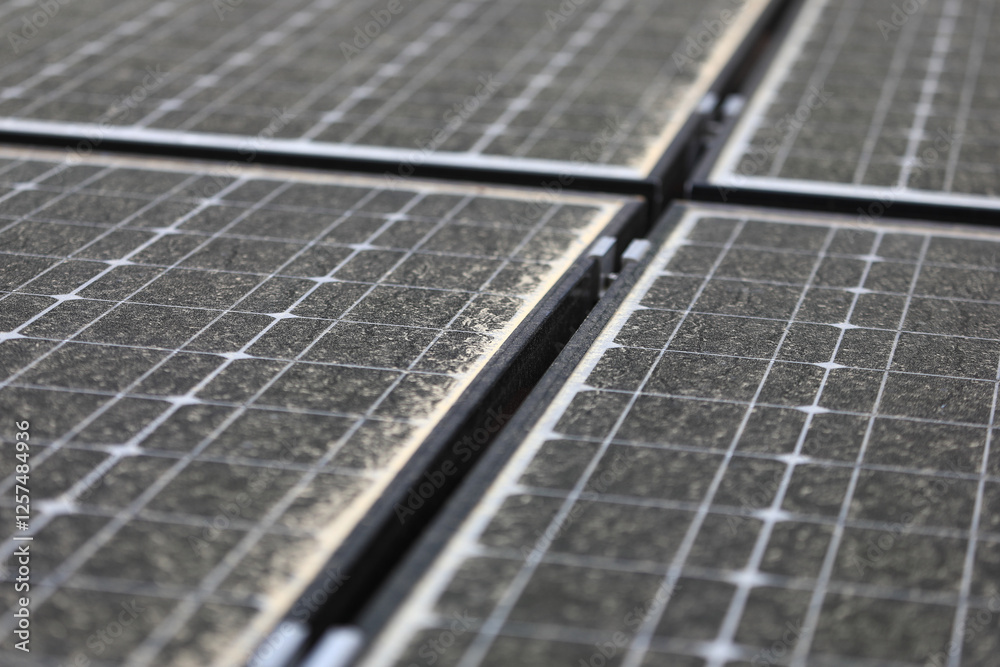
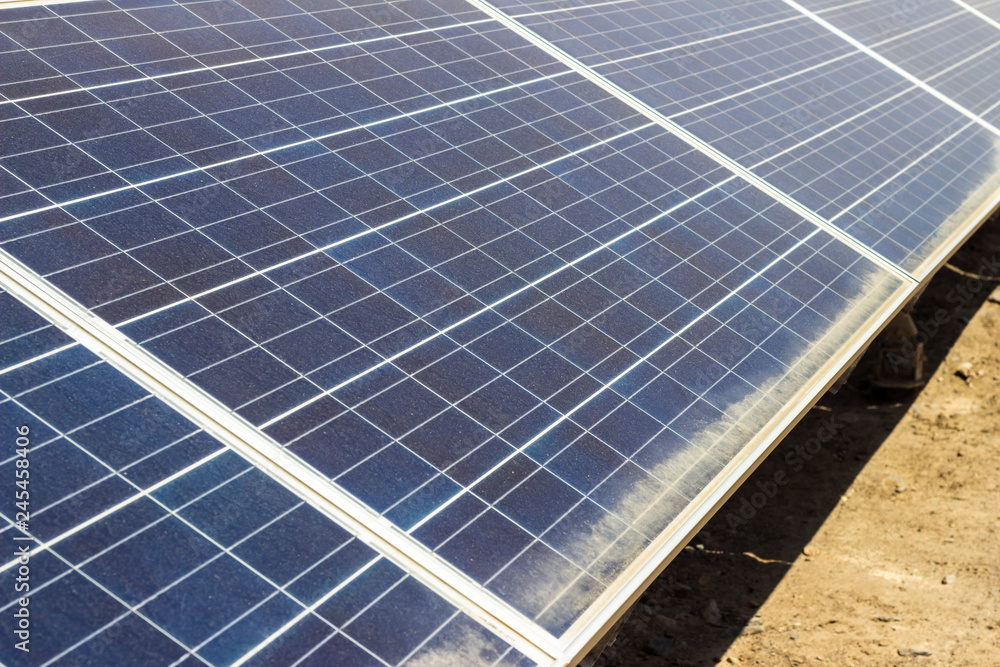
Dust film scatters light before it ever reaches the cells. Bird droppings are worse — they shade single cells into hot spots that stress the panel itself, not just this month's bill. And when a light rain hits a dusty array, the drips dry into baked-on mud streaks by 10 AM.
The chart shows a typical 8 kW Palm Desert system: one kept on a Shine Club cleaning rhythm, one never cleaned between our valley's rare real rains.
Modeled from desert-Southwest soiling ranges; every home differs. We verify yours with before/after inverter readings.
Monthly production: cleaned vs. never cleaned
Example 8 kW rooftop system, Palm Desert · kWh per month
- Cleaned 4–6×/year
- Never cleaned
View the numbers
Photography: Adobe Stock comp previews for this demo — the licensing shortlist ships in the business plan.
What is dirt costing your roof?
Drag to your system size. The projection uses conservative desert soiling ranges — not the scary end.
left on the table over 25 years if the array is never cleaned
Assumes 425 W panels · 5.5 peak-sun-hours · 18% average uncleaned soiling loss vs 3% maintained · 0.5%/yr panel degradation · 3%/yr utility escalation · membership price held flat.
25-year picture: doing nothing vs. Shine Club
Cumulative dollars · negative = you're ahead
- Value lost — never cleaned
- Shine Club net cost after recovered energy
View the numbers
One roof, every reason it gets dirty
One-time deep clean
Deionized water, solar-safe soft brush, spot-free rinse, before/after photos. Perfect first visit — most homes see the difference on the inverter the same day.
$199 up to 20 panels · +$5/panel after
Shine Club membership
As many cleanings as your system needs — typically 4–6 a year plus Mud Alert rinses. We watch the weather, you watch the bill. Drone Panel Patrol included yearly.
From $44.99/mo · no contracts
Mud Alert rinse
Light rain turns dust to baked mud in hours. When the 10-day forecast breaks wrong, members get a text and we pre-schedule the rinse before the sun sets the mess.
Included with Shine Club
Panel Patrol drone check
FAA Part 107 licensed flyover of your roof only, with written consent: soiling score, cracked-glass and hot-spot flags, photo report. No ladders, no guessing.
Annual with membership · $99 solo
Bird & pigeon proofing
Mesh barriers keep pigeons from nesting under the array — the #1 source of droppings, hot spots, and chewed wiring in the valley. Cleaning plus prevention in one visit.
Quoted by array perimeter
While we're up there
Window washing, gutter clearing, solar attic fan dusting, EV-charger and carport wipe-downs — and holiday lights in the winter. Same crew, same insured visit.
Bundle pricing with any clean
Built around desert weather, not against it
Book with the forecast open
Our scheduler shows the next 10 days of Palm Desert weather and flags prime cleaning days — including the golden day after a rain.
We clean at dawn
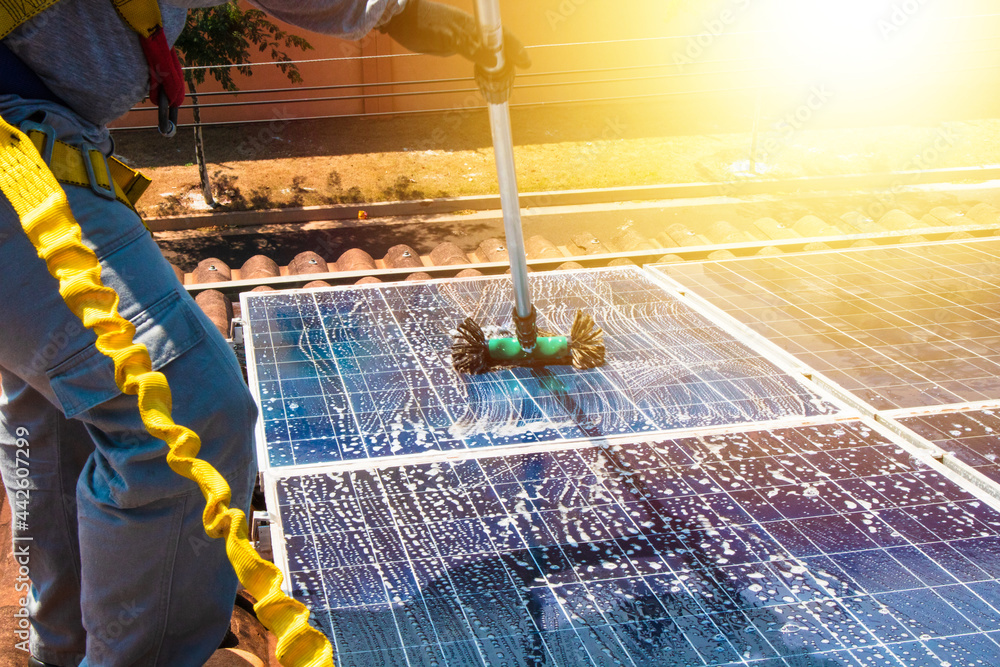
Cool glass, low sun, pure deionized water, soft brushes. No soap film, no pressure washing, no thermal shock — and we're off your driveway before the heat.
Proof, not promises
Before/after photos from the same angles on every visit, plus anything we spot — cracked glass, chewed wire, pigeon squatters — reported straight to your phone.
We keep watch
Members get Mud Alert texts after light rain, priority slots after dust storms, and a yearly drone Panel Patrol report. Your panels stay handled, even when you're away.
Today's read on the valley sky
This is the same live forecast our dispatch runs on. See a Prime rinse day? That's the day after rain — book it before your neighbors do.
Unlimited shine. One monthly price.
As many cleanings as your system needs, Mud Alert rain response, storm-priority scheduling, and a yearly drone check — from $44.99/month. No contracts. Cancel anytime. Your panels just stay clean.
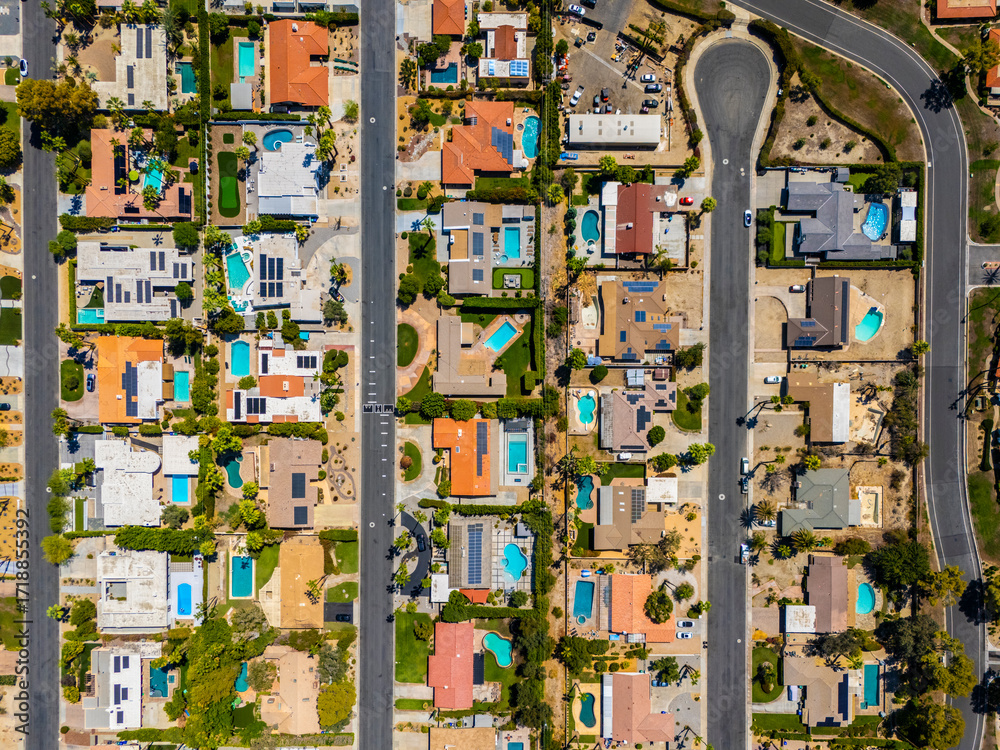
Serving the whole Coachella Valley
Based in Palm Desert, on your roof from the windmills to the date farms.
What the valley says
Our summer bill dropped the first full month after the deep clean. The before-and-after photos sold me — I had no idea the panels were that gray.
Barb & Gene S. Sun City Palm Desert · Shine Club members
They texted me the morning after that weird May sprinkle, cleaned the mud off by 7 AM, and were gone before my coffee. That's the whole reason I joined.
Marisol V. La Quinta Cove · Shine Club member
We're in Michigan all summer. The drone report with photos of our array — and the pigeon mesh they suggested — is exactly what a snowbird needs.
Dr. Ken W. Rancho Mirage · Panel Patrol subscriber
Illustrative feedback for this demo build — swap in your real reviews at launch.
Desert solar questions, answered like a local
How often should solar panels be cleaned out here?
Most valley systems need 4–6 cleanings a year. Blowing dust is constant, monsoon season stacks storms July–September, and our rain almost never arrives hard enough to rinse anything. The 1–2×/year advice you'll read online was written for climates with weather we don't have. Full month-by-month answer here.
Doesn't rain clean the panels for free?
A hard soaking helps. But the valley's typical light rain is the worst thing that can happen to a dusty array: it wets the film, drags it into drip lines, and the sun bakes it to mud by mid-morning. That's why the Shine Club includes Mud Alert texts — we watch the 10-day forecast and get you on the schedule before the mess sets.
Can't I just hose them off myself?
Local tap water runs around 17–22 grains per gallon — very hard. Hose water dries into mineral spotting that scatters light just like dust, and scrubbing dry glass can scratch the anti-reflective coating. If you do DIY, do it at dawn with soft water and never from a ladder you're not sure about. Our honest DIY guide spells out when it's fine.
Is your process safe for the panels?
Safer than the dirt. Deionized water leaves nothing behind, soft solar brushes can't scratch, we never use pressure washers or soap, and we clean at dawn so cold water never hits hot glass. We're insured, and we photograph every array before we touch it.
Do you walk on my roof?
Only when it's genuinely necessary and safe. Most residential arrays are cleaned with carbon-fiber water-fed poles from the ground or a ladder at the eave. When roof access is required, we follow a written fall-protection procedure — and we don't walk wet tile, ever.
What's the deal with the drone?
Panel Patrol flights are flown by an FAA Part 107 certificated operator, photograph only your roof with your written consent, and produce a soiling + condition report you keep. It's how snowbirds keep eyes on their array from 2,000 miles away — and how we catch problems before they cost you.
Is the Shine Club really unlimited?
You get every cleaning your system actually needs — typically 4–6 a year, plus Mud Alert rinses when weather makes the call. If your panels are dirty, we come. Fair use, no contracts, cancel anytime.
Get your roof on the route
Tell us about your system — we'll text or call back the same day, usually with a firm price.